How British Smartphone Gaming Services Adapt Reward Structures from Independent Platform Evaluations to Balance Entertainment Options with Built-in Session Controls
Bianca Reed · Nov 14, 2026
How British Smartphone Gaming Services Adapt Reward Structures from Independent Platform Evaluations to Balance Entertainment Options with Built-in Session Controls
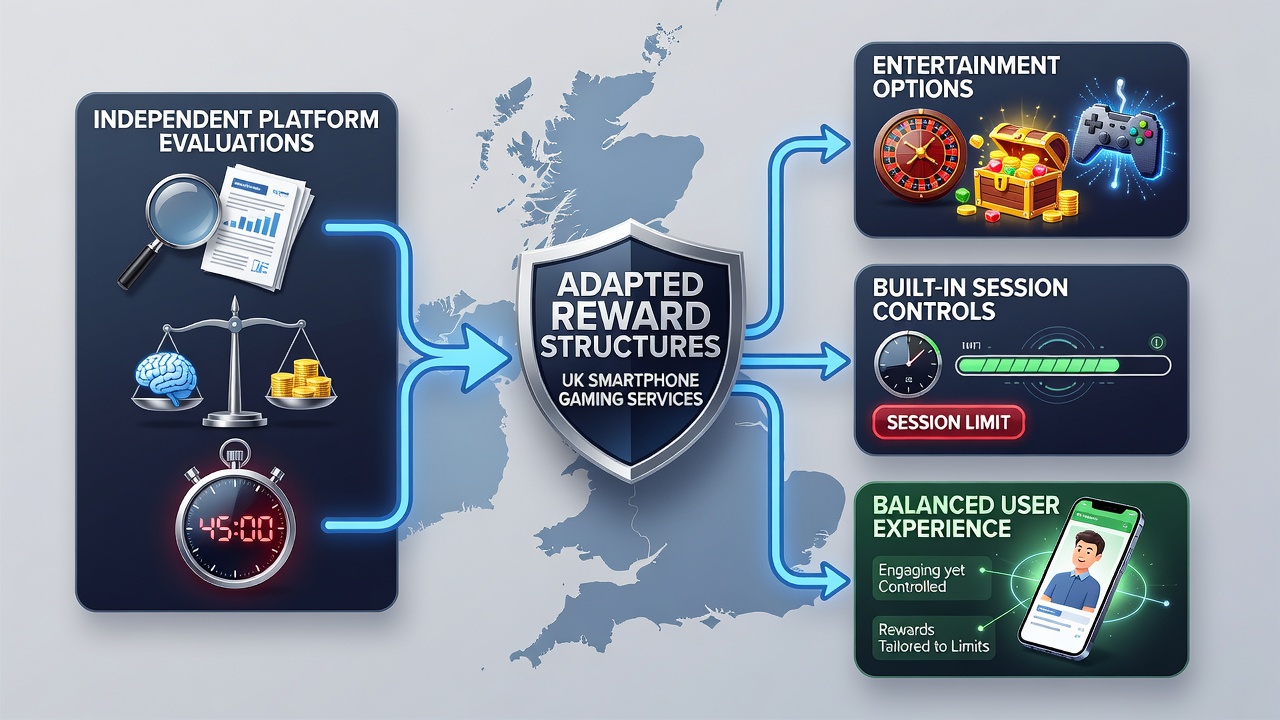
British smartphone gaming services draw on independent platform evaluations when they refine reward structures, and this process shapes how operators align entertainment features with session management tools. Evaluations from third-party assessors provide data on user engagement patterns, which services then incorporate into bonus designs that include built-in limits on play duration and spending thresholds. Data from 2026 indicates these adaptations occur across multiple licensed platforms operating on mobile devices throughout the United Kingdom.
Platform Evaluations and Their Role in Reward Adjustments
Independent reviews examine how gaming applications handle player activity, and they highlight areas where reward mechanisms either encourage extended sessions or integrate protective measures. Services review these assessments to modify welcome offers, loyalty points, and in-game incentives so that they activate only after users set personal session parameters. Observers note that platforms often adjust bonus multipliers or free play credits based on evaluation findings that flag high-volatility game selections paired with weak time controls.
Evaluators collect metrics on average session lengths and reward redemption rates, which gives operators concrete figures to work with when redesigning promotional structures. Services respond by embedding session timers directly into the reward activation process, requiring users to confirm limits before claiming additional spins or credits. This approach appears in several mobile applications that operate under British licensing frameworks during November 2026.
Balancing Entertainment Features with Session Controls
Operators integrate entertainment elements such as themed game libraries and progressive reward ladders while ensuring session controls remain active throughout the user experience. Evaluations frequently point out successful examples where platforms link bonus unlocks to voluntary breaks or deposit caps, and services replicate these patterns across their own applications. Research from academic institutions shows that such pairings maintain engagement levels without extending average play times beyond predefined boundaries.
One common adaptation involves tiered rewards that unlock progressively only when users maintain pre-set session intervals, and this structure draws directly from evaluation recommendations on sustainable play patterns. Mobile services also adjust notification systems so that reminders about remaining time or spending appear alongside reward progress indicators. Figures from industry reports reveal that platforms applying these changes see higher retention among users who activate the controls compared with those who bypass them.
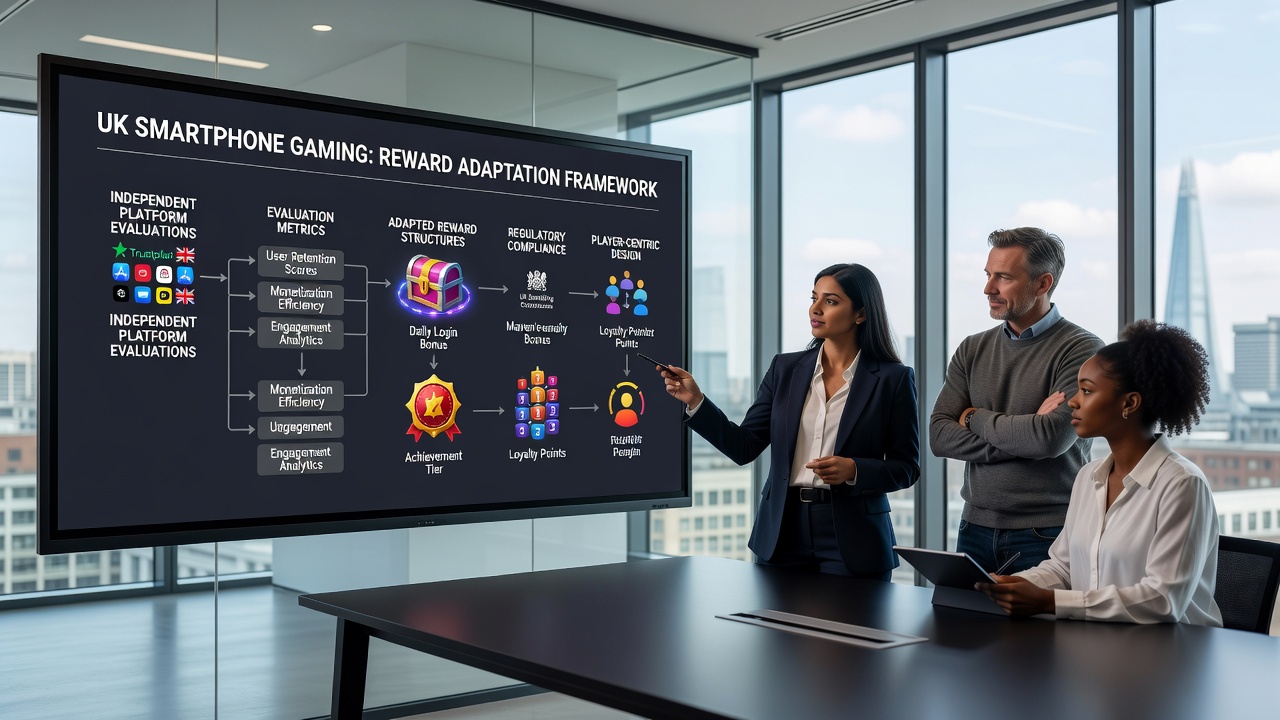
Services further refine reward structures by analyzing evaluation feedback on game volatility and its interaction with time-based limits, then they recalibrate bonus values accordingly. For instance, higher-volatility titles may receive smaller reward increments unless users have established strict session caps, which encourages balanced participation across the platform's offerings.
Implementation Across Mobile Platforms in 2026
During November 2026, several British smartphone gaming services rolled out updated reward protocols that reference recent independent evaluations conducted in the preceding months. These updates include automated prompts that guide users toward control settings before reward systems fully engage, and the prompts draw language and timing suggestions from evaluator reports. Platforms also publish summaries of how they incorporated assessment findings into their current bonus frameworks, which increases transparency for users examining the adaptations.
Evaluations sometimes compare performance across regions, and British services apply insights from comparable frameworks in other jurisdictions to strengthen their own session tools. A report issued by the Alcohol and Gaming Commission of Ontario on mobile gaming safeguards provided data points on reward timing that operators referenced when adjusting their UK-based applications. Services combine these external benchmarks with local evaluation results to create reward packages that emphasize entertainment while enforcing built-in boundaries.
Additional changes appear in loyalty programs, where points accumulate only within controlled sessions, and this method stems from evaluation data showing reduced risk when rewards tie directly to time management features. Operators test these revisions through phased rollouts, monitoring user responses before full deployment across all mobile channels.
Data Patterns Emerging from Evaluation Feedback
Analyses conducted in 2026 demonstrate that platforms incorporating evaluation-driven changes achieve more consistent alignment between entertainment options and protective controls. Metrics tracked include redemption rates for bonuses that require session limit confirmation versus those that do not, and the figures indicate stronger compliance when limits form part of the reward entry process. Services use these patterns to prioritize certain game types within promotional structures while de-emphasizing others that evaluations associate with longer uncontrolled sessions.
Academic studies, including work published through university research centers, supply further context on how reward frequency interacts with session tools, and British operators apply these findings when updating their mobile applications. The result is a set of reward structures that respond dynamically to ongoing evaluation input rather than remaining static across updates.
Conclusion
British smartphone gaming services continue to refine reward structures by applying insights from independent platform evaluations, and this practice supports the integration of entertainment features alongside session controls. The adaptations documented in 2026 reflect ongoing responses to assessment data that emphasize measurable balances between user engagement and built-in management options. As evaluations evolve, services adjust their approaches to maintain compliance and functionality across mobile platforms.