How UK mobile casino platforms align emerging bonus structures with game libraries to support session management protocols
Dana Meier · Aug 26, 2026
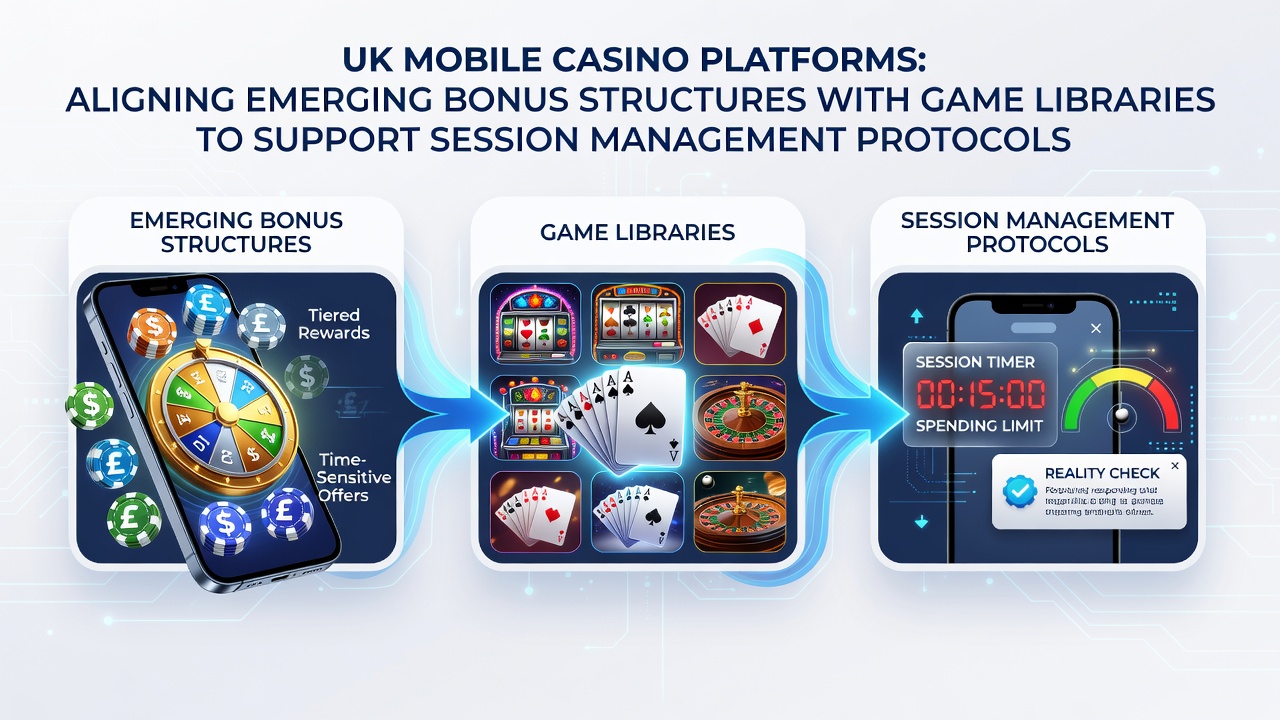
How UK mobile casino platforms align emerging bonus structures with game libraries to support session management protocols
UK mobile casino platforms continue to refine how they connect bonus offers with specific game selections, and this approach supports built-in session management features that help maintain structured play periods. Operators structure promotional rewards around game libraries so that players encounter incentives tied directly to titles with defined volatility levels or play durations, which in turn feed into automated time-tracking systems that activate after set intervals. Research from the Australian Institute of Family Studies shows that such alignments appear in platforms operating across multiple jurisdictions, where data indicates correlations between bonus triggers and session length controls rather than random distribution.
Platforms often categorize games into groups such as high-volatility slots, table games with fixed round times, and live dealer options, then attach bonus multipliers or free round allocations only to selections within those groups. This method allows session management protocols to monitor cumulative playtime across matched categories and prompt users when thresholds near, for instance after forty-five minutes of continuous engagement. Observers note that these systems rely on real-time data feeds that update bonus eligibility based on game type, preventing mismatches that could bypass time-limit alerts.
Bonus Design Tied to Game Categories
Emerging bonus structures in 2026 incorporate tiered rewards that unlock progressively when players select from curated libraries, and these tiers align with session protocols that cap total active minutes per day or week. Data indicates that mobile apps deploy algorithms linking bonus value to average session length per game genre, so a reward for low-volatility titles might pair with shorter monitoring windows while high-engagement games trigger extended but controlled periods. According to findings published by the University of Sydney’s Gambling Treatment and Research Clinic, platforms using this method report more consistent adherence to preset limits because bonus progression itself serves as a visual cue for elapsed time.
Take one development team that integrated bonus ladders into their app interface, where completing rounds in designated slots advances a meter that simultaneously counts toward a daily session cap, and the system pauses further play once the cap registers. Such designs appear across several licensed operators, and they use metadata from each game to ensure compatibility with mandatory break reminders without disrupting the reward flow.
Integration Mechanisms in Mobile Environments
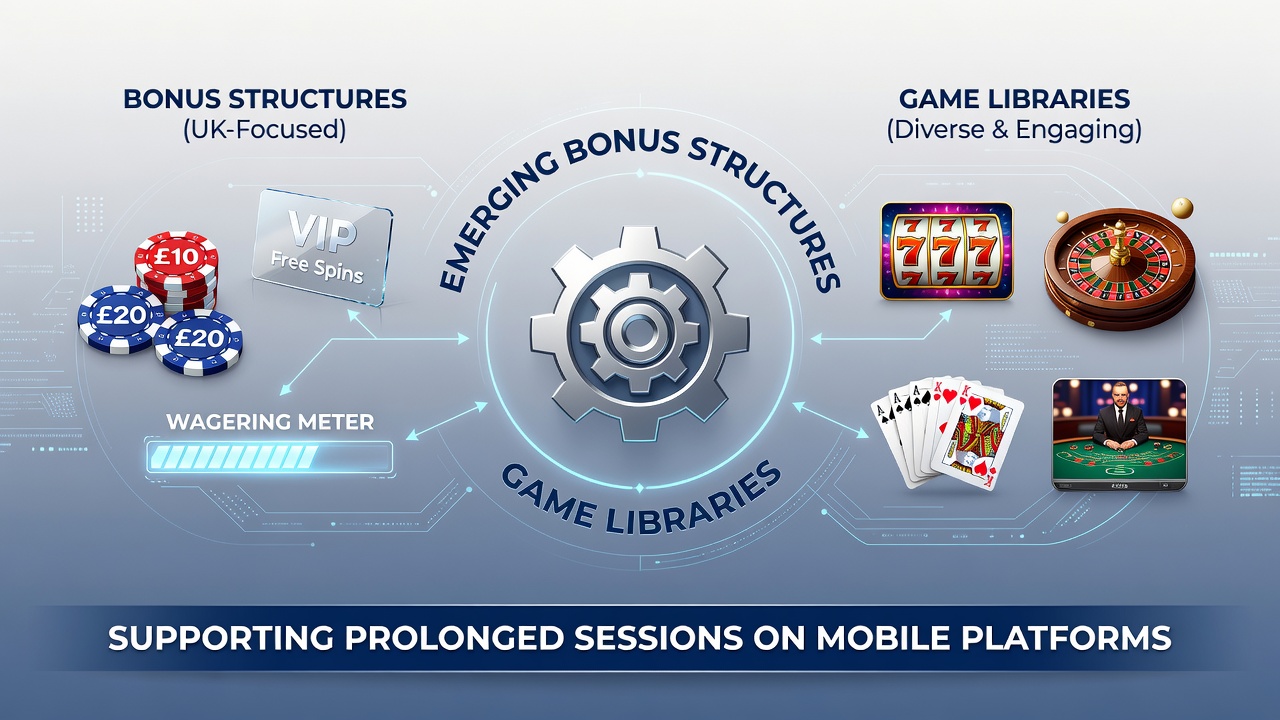
Technical frameworks on smartphones enable seamless synchronization between bonus engines and session management modules, so when a player claims an offer tied to a particular game library the associated timer activates automatically. These frameworks pull from shared databases that tag each title with parameters like expected play duration and risk profile, allowing the protocol to adjust bonus visibility once a session approaches its configured boundary. Figures from Canadian regulatory analyses reveal that operators employing unified tagging systems achieve higher rates of voluntary session extensions only when bonuses remain available within remaining time windows.
Yet integration extends beyond simple timers, because platforms now embed conditional bonus rules that deactivate rewards if play continues past a soft limit, and this encourages users to conclude sessions naturally. Researchers discovered that such conditional logic reduces instances of abrupt interruptions, since the bonus structure itself signals approaching boundaries through progress indicators visible on the mobile dashboard.
Data-Driven Adjustments Observed in August 2026
By August 2026 several UK-facing mobile platforms had updated their systems to incorporate machine learning models that refine bonus-to-game alignments based on aggregated session data collected over preceding months. These models analyze patterns across game libraries and adjust reward frequencies so that high-engagement titles receive bonus support only during designated safe-play windows, while lower-intensity games maintain steady incentives throughout. Evidence suggests this adaptive approach stems from collaborative efforts between developers and compliance teams, where shared datasets inform how session protocols scale with varying user behaviors.
Platforms also report testing cross-category bonuses that span multiple game types within a single session, yet always under the umbrella of unified time management that logs total engagement regardless of switches. This keeps the overall structure intact while giving users flexibility inside controlled parameters.
Conclusion
UK mobile casino platforms demonstrate ongoing evolution in linking bonus structures to game libraries in ways that reinforce session management protocols through automated alignment and data feedback loops. The methods described rely on categorized tagging, progressive rewards, and conditional triggers that operate consistently across devices, and available research from international sources supports the observation that these alignments contribute to structured play environments without requiring external enforcement. Continued refinement in these areas appears likely as platforms incorporate additional data streams in future updates.