Tracing Feedback from Casino Platform Analyses to Customized Entry Bonuses in Regulated British Smartphone Applications
Bianca Reed · Oct 31, 2026
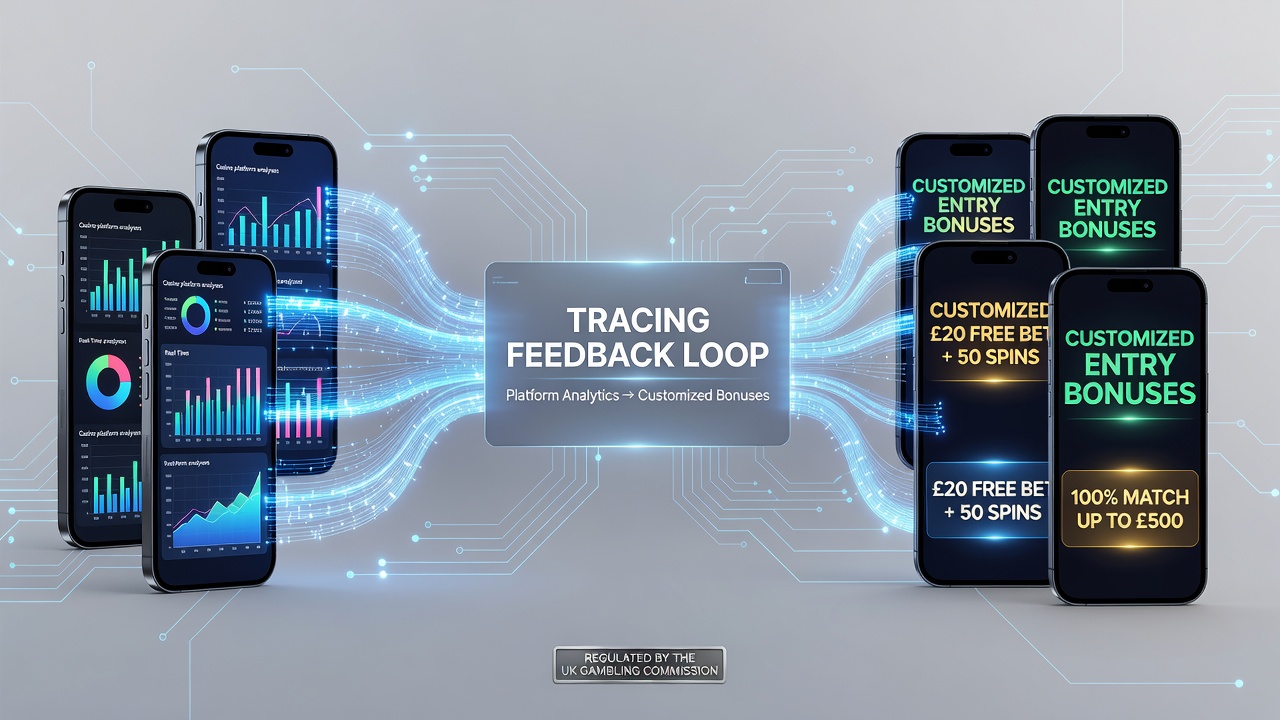
Tracing Feedback from Casino Platform Analyses to Customized Entry Bonuses in Regulated British Smartphone Applications
Platform analyses in regulated British smartphone casino applications collect detailed user interaction data, game preference metrics, and session duration patterns, then route those insights directly into the design of personalized entry bonuses that align with individual player profiles while incorporating mandatory safety parameters. These processes operate within frameworks established by multiple oversight bodies across Europe and beyond, where operators refine welcome offers based on aggregated feedback loops rather than generic templates.
Data Collection Mechanisms in Mobile Casino Environments
Analysts at licensed operators track metrics such as game selection frequency, deposit timing, and voluntary limit adjustments through integrated app dashboards, and this information flows into backend systems that generate tailored bonus structures. Researchers have documented how these datasets expand in volume during peak periods, including October 2026 when mobile usage rates showed measurable increases across regulated markets. The resulting bonuses often include free spin allocations or matched deposits calibrated to a user's historical activity, yet they embed automatic session reminders and spending caps drawn from the same analytical sources.
Integration of Analytical Feedback with Bonus Customization
Feedback from platform audits reaches development teams through structured reporting channels, and those teams adjust entry-level promotions to match observed player segments without overriding regulatory thresholds. One documented pathway involves matching bonus values to volatility preferences identified in game play logs, while simultaneously activating built-in tools that pause play after predetermined intervals. Data from the International Center for Responsible Gaming indicates that similar feedback-driven models appear in multiple jurisdictions, where operators refine offers to reflect both engagement patterns and protection requirements.
What's notable is the way these systems link bonus eligibility to verified account behaviors collected over successive sessions, creating a closed loop where past activity shapes future incentives. Operators maintain records of how often users engage with specific game libraries, then apply those records when constructing customized first-deposit matches or spin packages that activate only after certain safety confirmations occur.
Role of External Regulatory Standards in Shaping Processes
British mobile applications must comply with standards set by bodies outside the primary domestic regulator, and these external benchmarks influence how feedback translates into bonus features. Reports compiled by the Australian Institute of Family Studies highlight parallel approaches in other regions, where data from player interactions informs promotional design while enforcing session management protocols. In the British context, this means entry bonuses frequently arrive with embedded features such as reality checks and self-exclusion prompts that derive directly from aggregated platform insights.
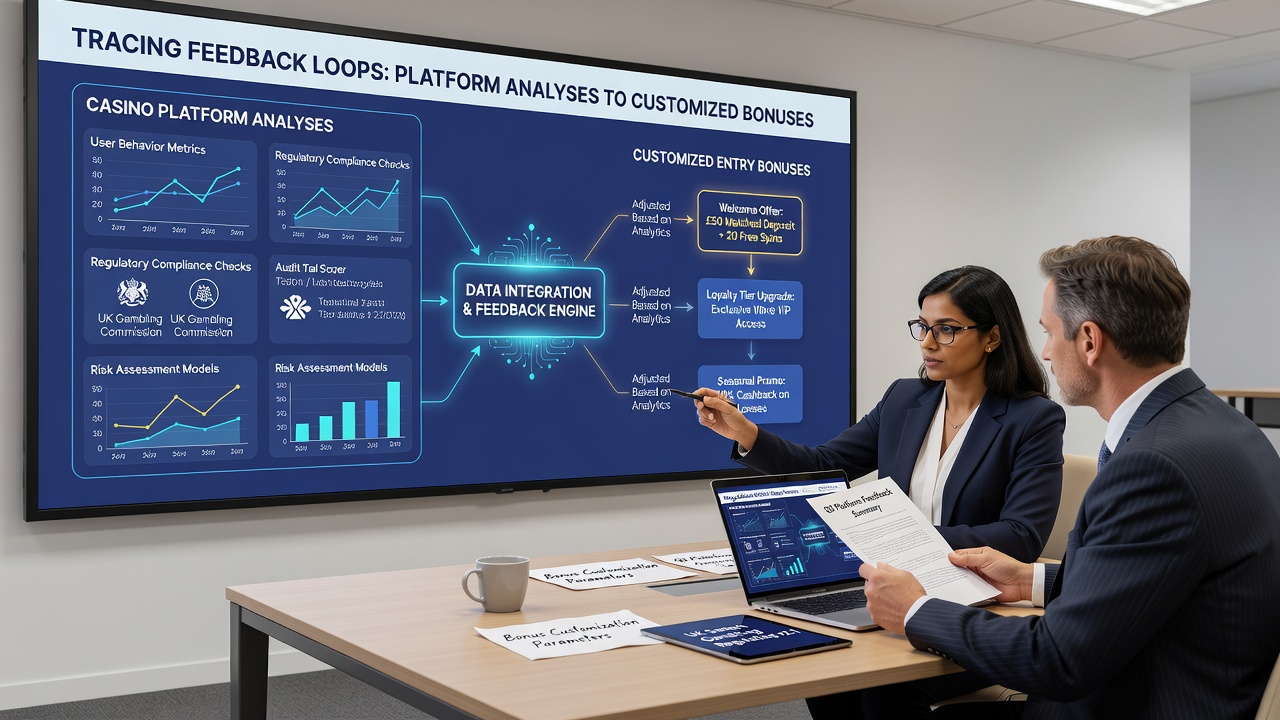
Those who monitor industry reports note that October 2026 brought updated guidance documents emphasizing traceable links between analysis outputs and promotional content, prompting operators to document each adjustment step. This documentation requirement ensures that customized offers remain traceable to specific data points gathered from smartphone user bases.
Case Patterns in Feedback Application
Multiple operators have implemented systems where low-volatility game preferences trigger smaller, more frequent bonus increments paired with stricter deposit limits, whereas higher-volatility selections prompt larger initial matches alongside extended cooling-off options. These adjustments occur after routine platform reviews identify recurring patterns in user behavior, and the changes take effect within subsequent app updates. Observers record that such targeted modifications appear consistently across applications licensed for British markets, reflecting a shared methodology rather than isolated experiments.
Platform analyses also capture device-specific variables, including screen time distribution and notification response rates, which feed into bonus timing algorithms. A user who typically engages during evening hours might receive an entry offer scheduled for those periods, complete with automated reminders drawn from the same dataset. This level of synchronization keeps promotional elements aligned with both commercial goals and mandatory player protection measures.
Broader Industry Context and October 2026 Developments
Industry reports from late 2026 describe expanded use of machine learning models that process feedback at scale, enabling quicker iterations on entry bonuses for new smartphone users. These models draw from anonymized pools across multiple applications, and the outputs influence how operators present no-deposit elements or matched funds within the first few sessions. External audits verify that safety integrations remain active regardless of customization depth, preserving compliance across varied bonus formats.
Cross-border comparisons reveal that British practices share common threads with frameworks in Canada and Australia, where regulatory filings require evidence of feedback incorporation into promotional structures. The result is a landscape where entry bonuses evolve continuously yet stay anchored to documented user data and protection standards.
Conclusion
Tracing feedback from casino platform analyses to customized entry bonuses in regulated British smartphone applications reveals a systematic process driven by data collection, regulatory alignment, and iterative refinement. Operators apply insights from user interactions to shape offers that reflect individual patterns while maintaining embedded safeguards. As of October 2026, these mechanisms continue to develop under the influence of both domestic requirements and international benchmarks from organizations such as the International Center for Responsible Gaming and the Australian Institute of Family Studies. The outcome supports a traceable connection between analytical outputs and promotional design across licensed mobile platforms.